Hike to Mount Oyama, Mount Sannoto & Mount Tonodake in the Tanzawa Mountains (part 1): From Hinata Yakushi To Yabitsu Pass
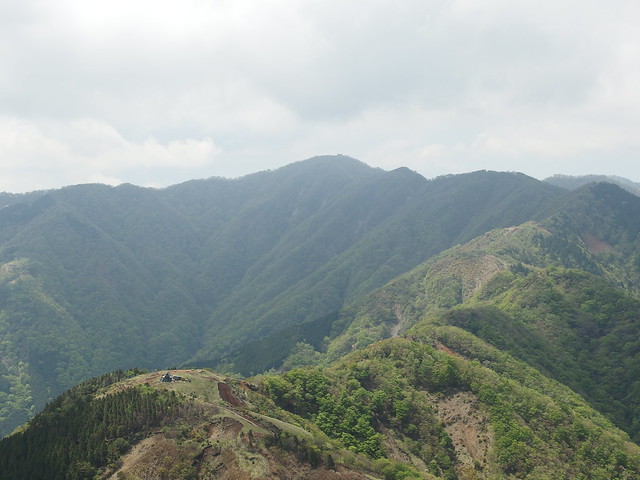
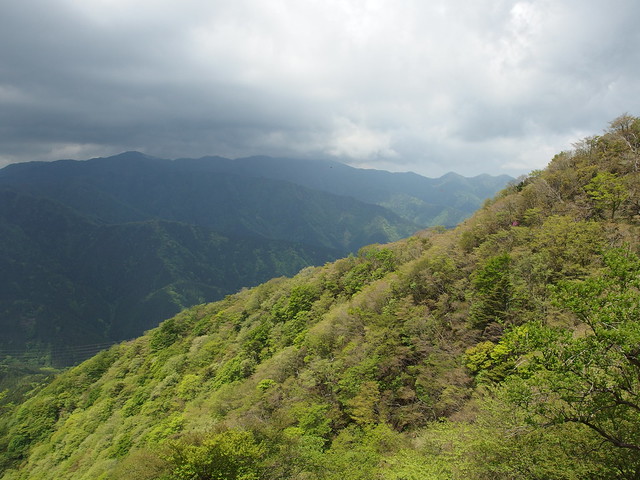
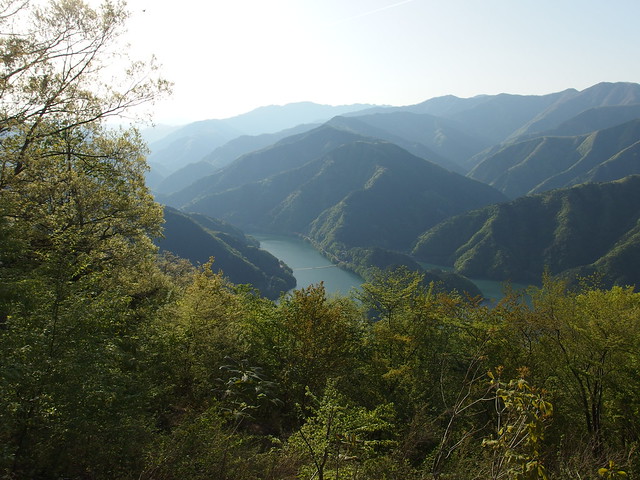
In May, I went back to the Tanzawa Mountains, in Kanagawa: I hiked Mount Oyama, Mount Sannoto and Mount To.
Sanja Matsuri is a festival held in Asakusa every year in May. It celebrates the three people involved in the creation of Senso-ji and later enshrined as Shinto kami in Asakusa Shrine, next to the temple. It is one of the biggest festivals in Tokyo, with about 100 mikoshi (portable shrines) paraded around the neighbourhood.
The Asakusa Culture Tourist Information Center is a modern building located in front of the Kaminarimon Gate of Senso-ji, in Asakusa. The top floor has a cafe, as well as a freely accessible observatory with a great view on Senso-ji and Tokyo Skytree.
In May, starting at Kameido station, I walked east towards Edogawa City, until I reached the Arakawa River. I then crossed it in order to visit Funabori Tower Hall and its observatory. I went back to the other side of the Arakawa and walked along the Kyu-Nakagawa River (旧中川) then turned west at the Kitajukken River (北十間川), which goes all the way to the Sumida River, passing in front of the Tokyo Skytree. I ended the day with the Sanja Matsuri in Asakusa.
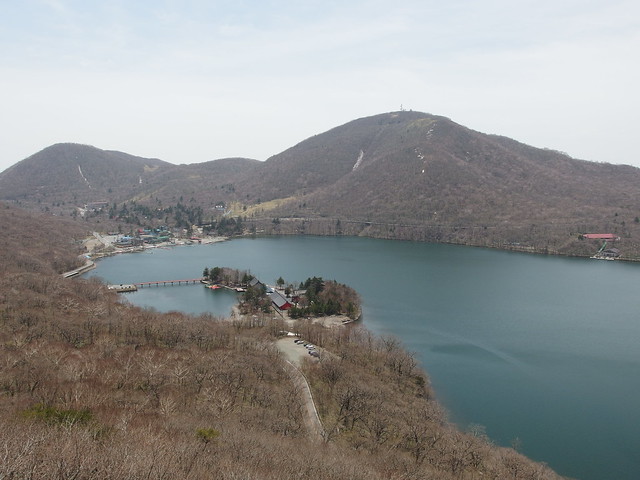
In May, I went to Maebashi City in Gunma Prefecture, north of Tokyo, in order to visit Mount Akagi (赤城山). There is no actual peak named “Mount Akagi”: It refers to the whole mountain range in the area. Its best-known attractions are Akagi Shrine, Lake Onuma (大沼) and Mount Kurobi (黒檜山). While I was there, I took a series of trails going through some of the peaks surrounding the lake. This page can serve as a reference (although it differs a bit from what I did).
Daien-ji is a buddhist temple located near Meguro station. This is where the Great Meiwa Fire that destroyed Edo in 1772 started. A notable feature of the temple is the 500 arhat statues standing as a monument to those killed in the disaster.
While I was at Zojo-ji, there was a Hana Matsuri (花まつり; literally “Flower Festival”) celebration going on. It takes place at buddhist temples all over Japan around April 8th in order to celebrate the birth of Buddha. During the festival, small shrines decorated with flowers and a baby Buddha figurine bathed in sweet tea are displayed in front of temples. Another symbol of Hana Matsuri is the parades with children in fancy clothes pulling a papier-mâché white elephant.
Minato City is one of the 23 special wards of Tokyo. In April, I walked from Shinbashi to Roppongi, visiting some of the many shrines and temples of the area along the way.
Continuing the hike from Hinohara Village to Lake Okutama. After Mount Mito, I stayed in the Tokyo Citizens’ Forest (Tomin-no-Mori) and went down towards Mito Waterfall then continued to Lake Okutama. Check Part 1 for the map.
A few days after my hike to Mount Usuki and Mount Jinba, I went back to Hinohara Village: This time, I took the trail to Mount Sengenrei (浅間嶺). After the summit, I kept walking on the Sengen Ridge (浅間尾根) until I reached Hinohara Tokyo Citizens’ Forest (檜原都民の森; Hinohara Tomin-no-Mori) and Mount Mito (三頭山), which I had already climbed starting from Lake Okutama. After that I went down to the Visitor Center, enjoying the Forest Therapy Road and the sight of the Mito Waterfall (三頭大滝; Mito Otaki). When I set out in the morning, I had planned to stop there but there was still a bit of time before sunset so I decided to keep going all the way to Lake Okutama (奥多摩湖), going up again through Mount Toishi (砥山) and Mount Tsukiyomi (月夜見山) before going down to the lake through the camping grounds of the Mountain Hometown Village (山のふるさと村; Yama-no-Furusato Mura). I then crossed the lake at the Floating Bridge (浮橋; Ukihashi) and waited for the bus on the other side.