Walk along the Sumida River (Part 3): Arakawa City

This is where the Sumida River borders both Arakawa City (on the south side) and Adachi City (north). It is a bit out of the way but it is a nice and quiet walk.
This is where the Sumida River borders both Arakawa City (on the south side) and Adachi City (north). It is a bit out of the way but it is a nice and quiet walk.

A nice thing to do after visiting Asakusa and Tokyo Skytree is to walk south along the Sumida River. It is possible to go all the way to Tokyo Bay on foot (for example, ending at Harumi Passenger Ship Terminal). In this post, I stopped at Tsukiji, after making a detour by Tsukishima Island, where the Sumida River forks into 2 channels before reaching Tokyo Bay.

The Sumida River (隅田川; Sumida-gawa) is a river in eastern Tokyo that starts at the Iwabuchi Sluice Gate in Kita and flows into Tokyo Bay. There is a walkway along its bank almost everywhere along the way. Here are photos of the walk starting from Asakusa and going north to Minami-Senju, in Arakawa City.
Above, Sumida River from the Tokyo Skytree observatory.

After completing the Otama Walking Trail, I took the bus to Lake Okutama. My goal was to walk the Ikoi trail to the floating bridge but the path was closed for repair. It had also started to rain very hard on the way there so I cut the visit short.

The University of Tokyo (東京大学; Tokyo daigaku), often abbreviated as Todai (東大), is the most prestigious university in Japan. Its main campus is in Hongo (Bunkyo). As far as I can tell, although there are guards at the gates, it can be entered pretty much freely.
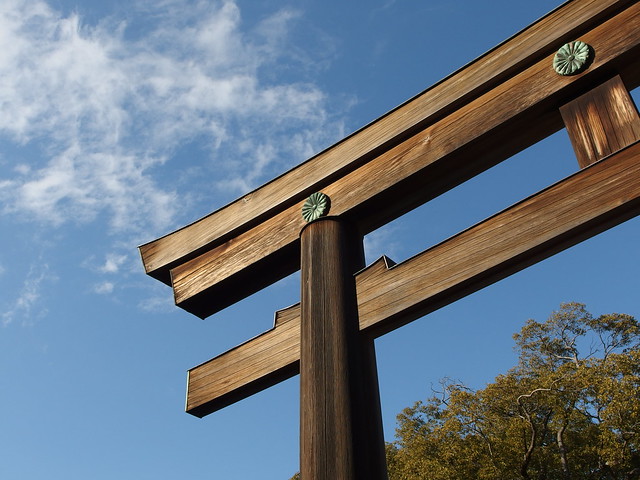
Meiji Shrine (明治神宮; Meiji Jingu) is a shrine dedicated to Emperor Meiji and his consort, Empress Shoken. It is located near Yoyogi Park. I visited it in January, on the same day as the Coming of Age day (成人の日; Seijin-no-Hi).

In May, starting at Kameido station, I walked east towards Edogawa City, until I reached the Arakawa River. I then crossed it in order to visit Funabori Tower Hall and its observatory. I went back to the other side of the Arakawa and walked along the Kyu-Nakagawa River (旧中川) then turned west at the Kitajukken River (北十間川), which goes all the way to the Sumida River, passing in front of the Tokyo Skytree. I ended the day with the Sanja Matsuri in Asakusa.
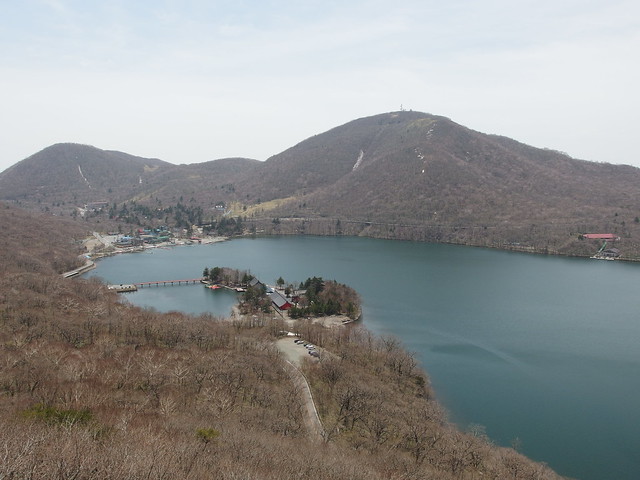
In May, I went to Maebashi City in Gunma Prefecture, north of Tokyo, in order to visit Mount Akagi (赤城山). There is no actual peak named “Mount Akagi”: It refers to the whole mountain range in the area. Its best-known attractions are Akagi Shrine, Lake Onuma (大沼) and Mount Kurobi (黒檜山). While I was there, I took a series of trails going through some of the peaks surrounding the lake. This page can serve as a reference (although it differs a bit from what I did).

Daien-ji is a buddhist temple located near Meguro station. This is where the Great Meiwa Fire that destroyed Edo in 1772 started. A notable feature of the temple is the 500 arhat statues standing as a monument to those killed in the disaster.
